OPENING SATURDAY, MARCH 28, 2026
For decades, the Francis Scott Key Bridge was simply part of the background, something Baltimoreans took for granted—until March 26, 2024, when its shocking collapse revealed the importance of this now-lost icon of our region’s infrastructure.
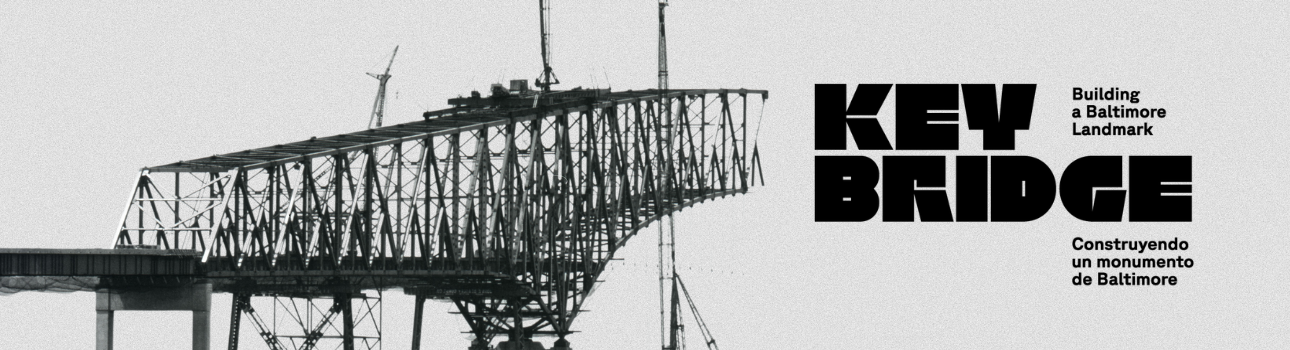
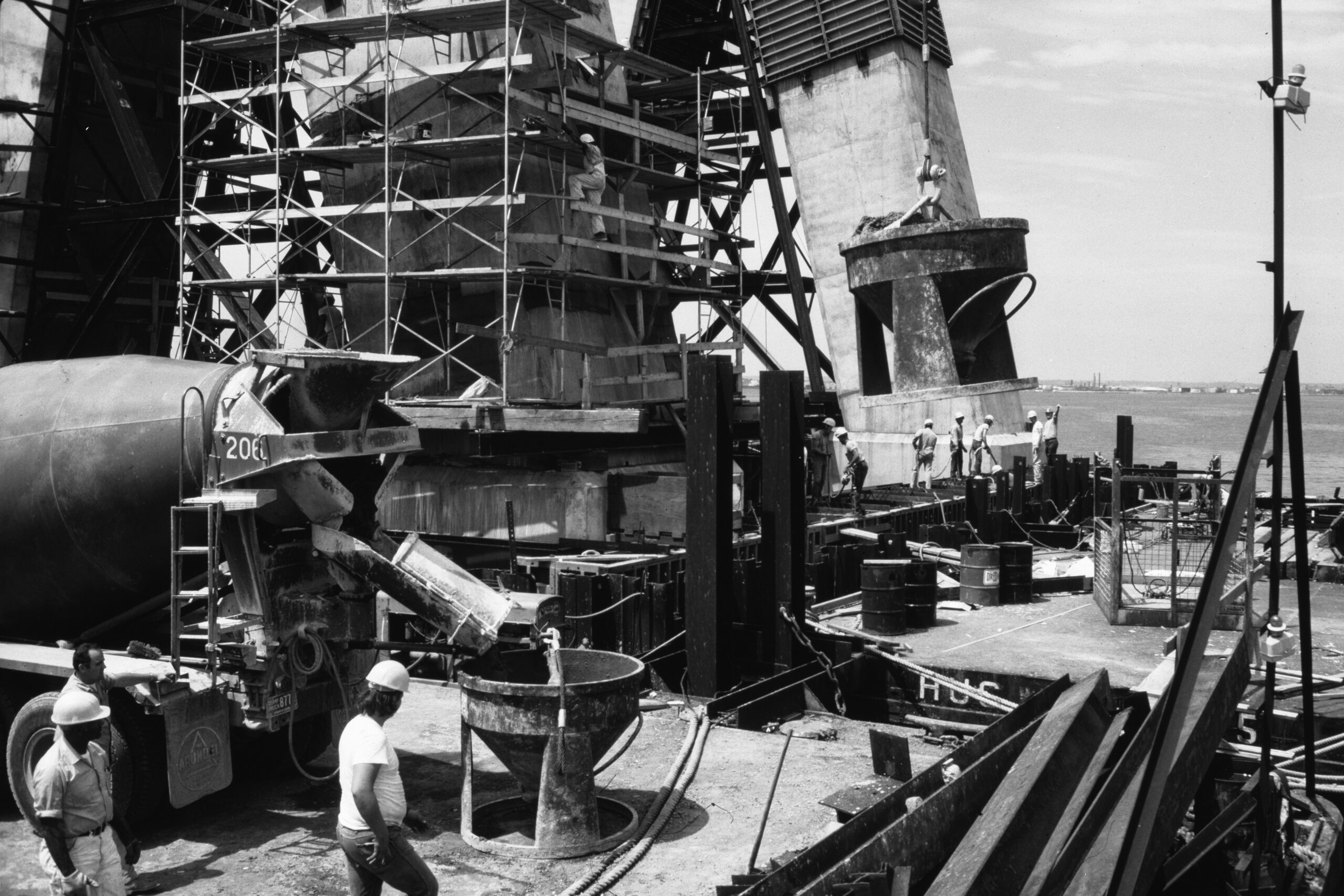
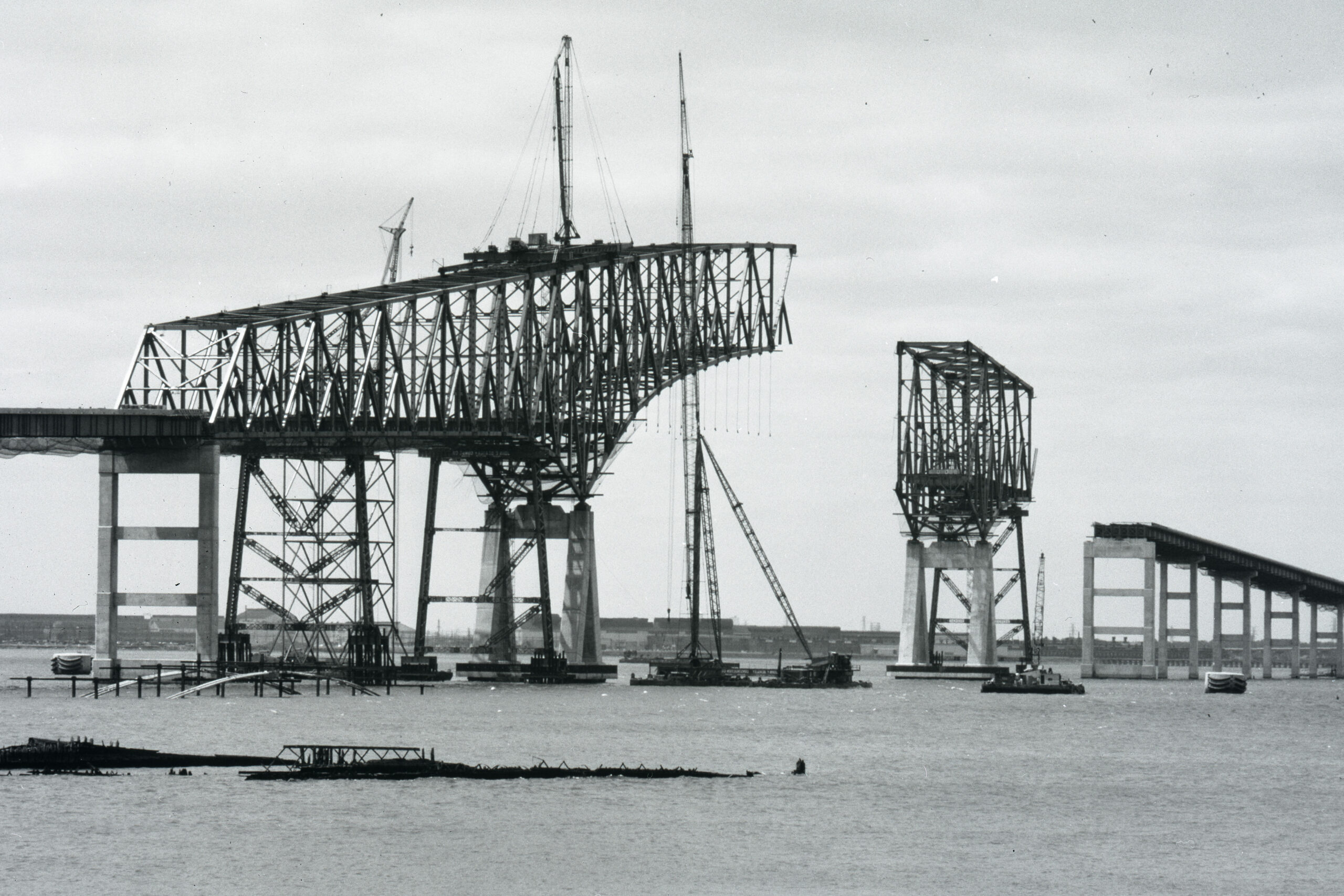
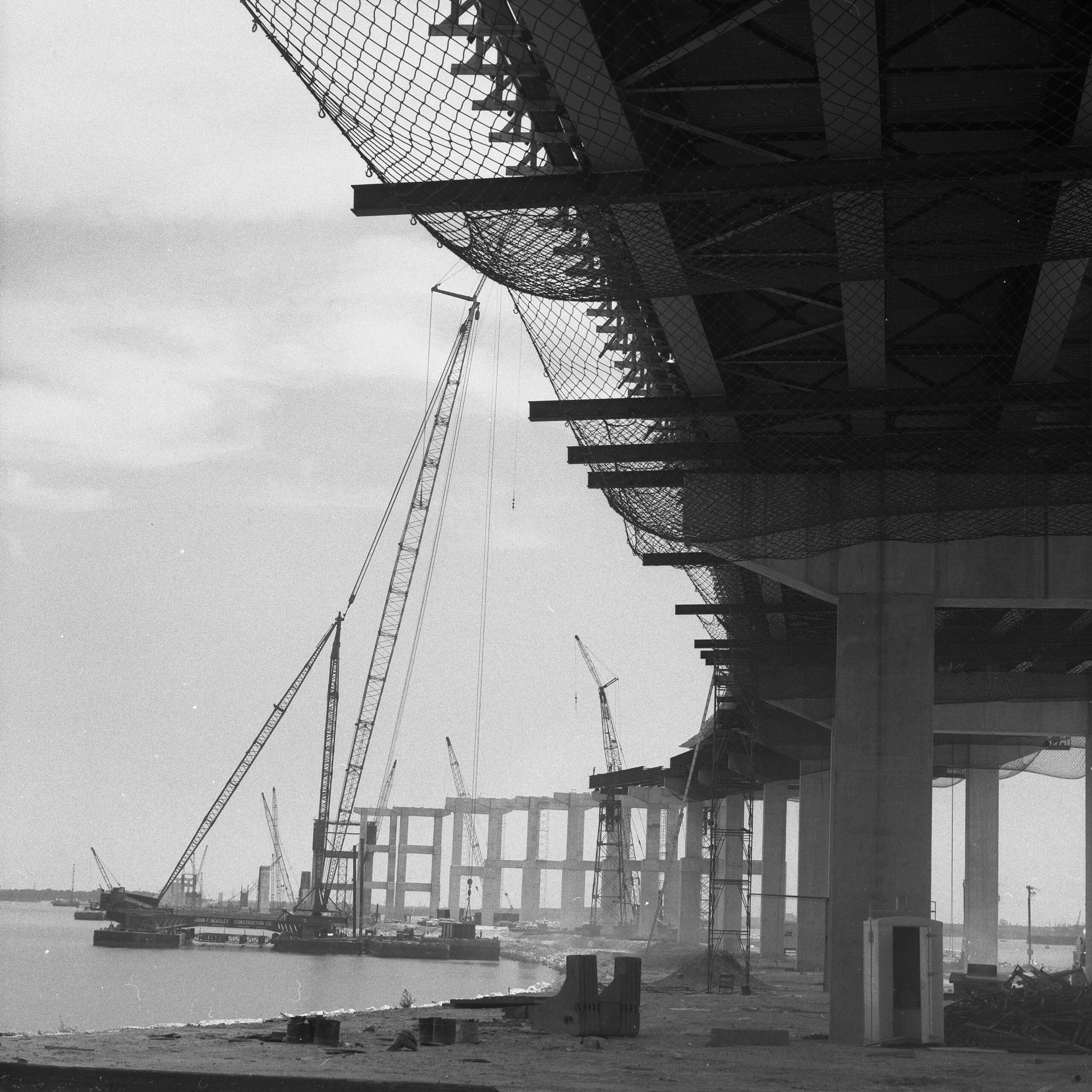
Key Bridge: Building a Baltimore Landmark explores how the bridge was imagined, debated, designed, and built, and honors the workers whose skill and courage made it possible.
About the Exhibition
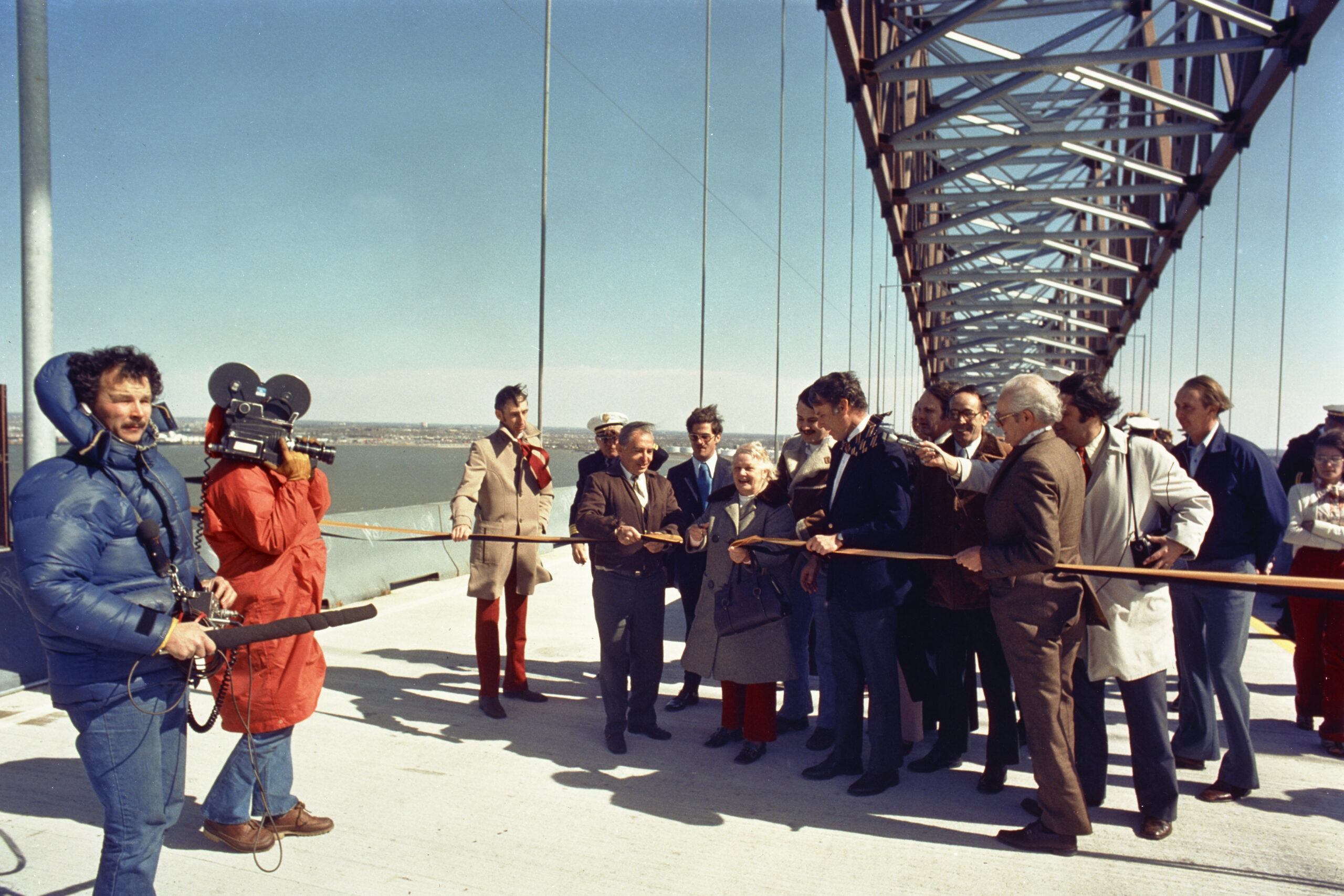
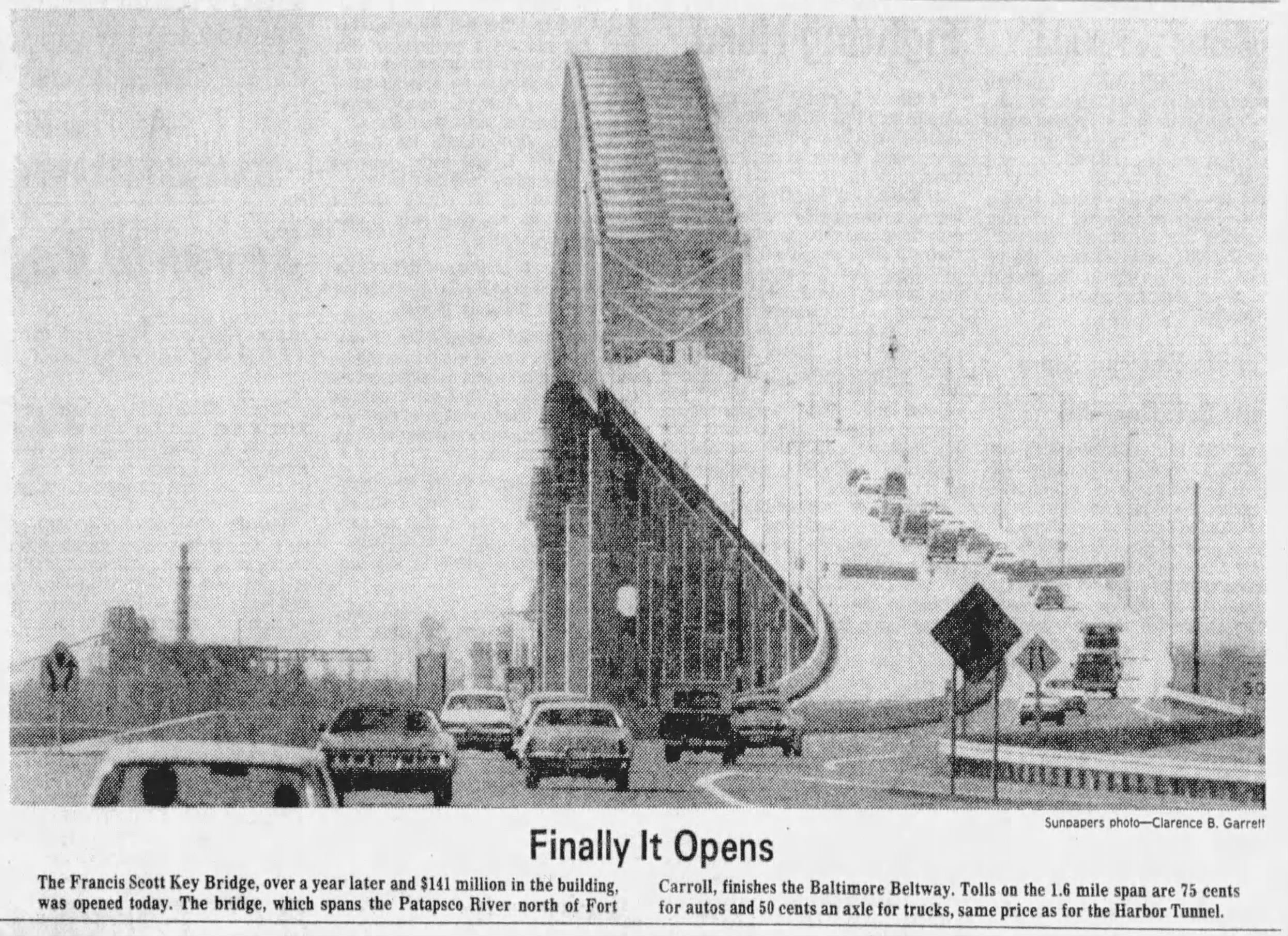
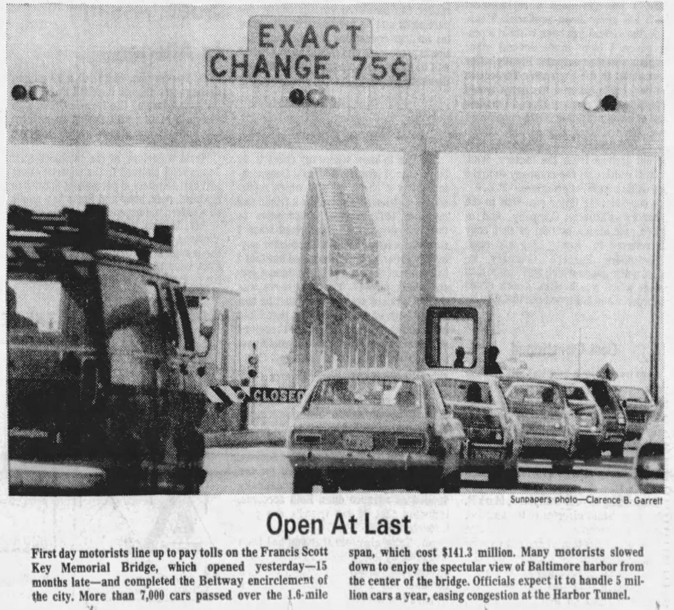
Key Bridge: Building a Baltimore Landmark traces the Key Bridge from concept to completion. Through historic photographs, first-person accounts, and artifacts, visitors encounter the people whose labor transformed steel and concrete into a defining feature of the harbor.
The exhibition is part of the museum’s Echoes from the Key Bridge project, a multi-year initiative that preserves and amplifies the human and economic stories behind the tragic collapse of the Francis Scott Key Bridge.
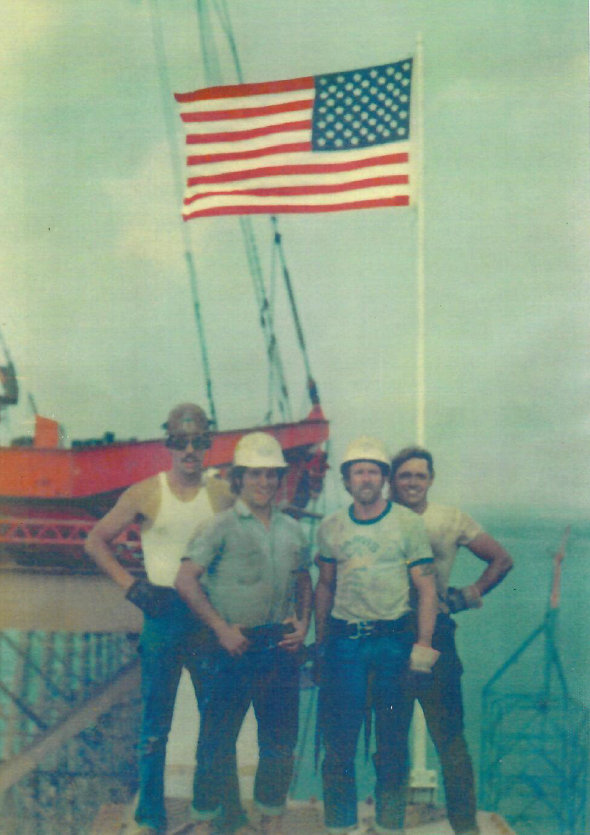
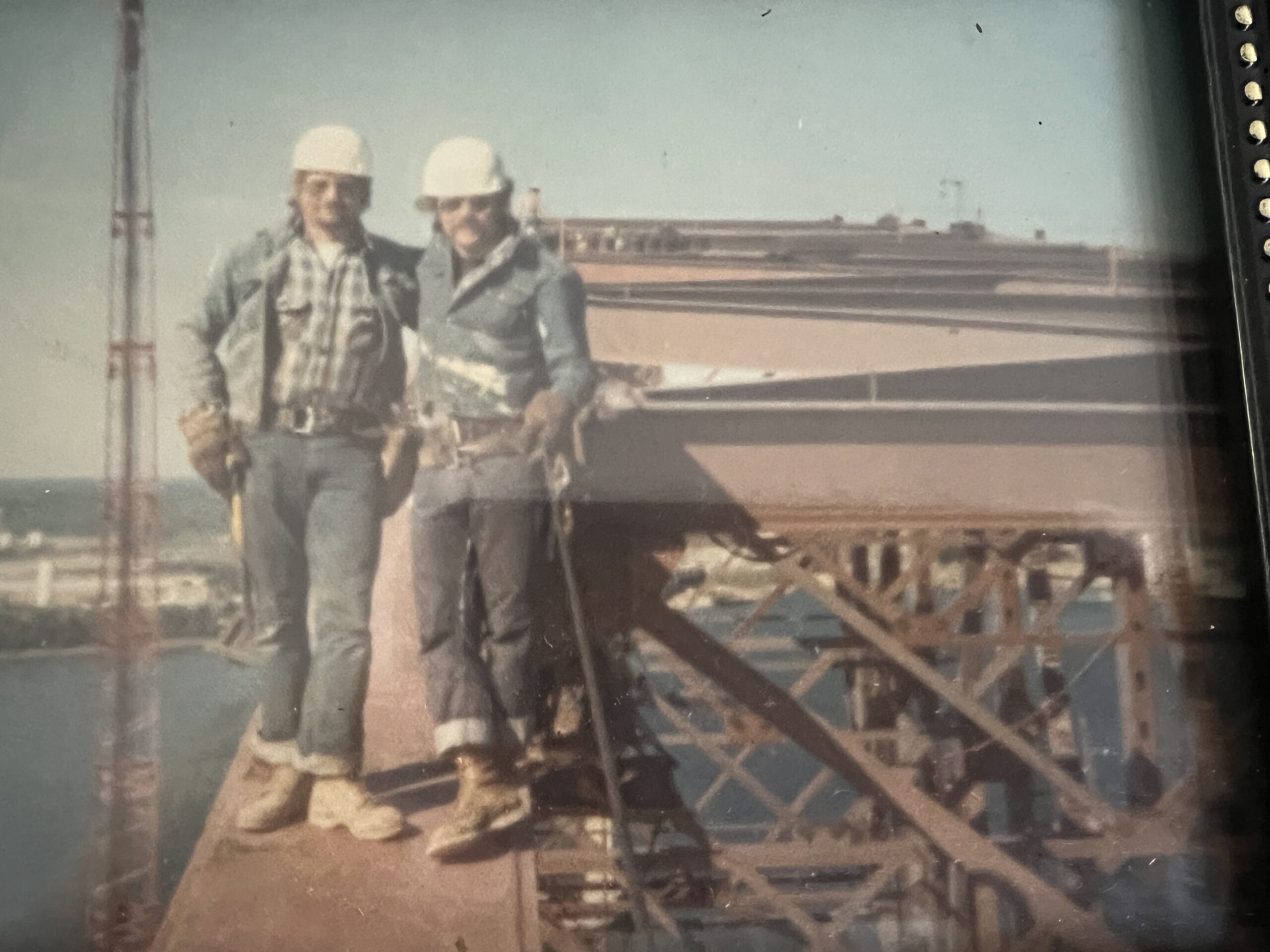
Members of the raising gang that set the final truss into position: Frank Manfra, Frank Piccione, Joe Rausch, and Andy Wachter.
Courtesy of the International Association of Iron Workers
Meet The Exhibition Team
Deborah Weiner – Guest Curator
Deborah Weiner is an accomplished historian with a Ph.D. in history from West Virginia University and a B.A. in American Studies from Grinnell College. She has extensive experience in museum exhibition development, including co-curating two core exhibitions at the Jewish Museum of Maryland, where she also served as Research Historian and coordinator of the Family History Center. She has taught public history and American Jewish history at the University of Baltimore, the University of Maryland Baltimore County, and Johns Hopkins University. Weiner has worked on numerous projects for the Baltimore Museum of Industry (BMI), from single-panel exhibits to major installations like the Bethlehem Steel exhibit and the recent Key Bridge exhibition, focusing on the intersection of technology, innovation, and society. Before her work as an historian, she was active in community development in Chicago as an organizer, editor, and researcher/writer, and she continues to consult on issues of public policy and urban affairs.
Verónica E. Betancourt, Ph.D. – Interpretive Specialist
Verónica E. Betancourt, Ph.D., is a museum consultant specializing in interpretation, evaluation, and strategic planning, with a career dating back to 2007. Her work, which has earned her national and international awards, spans museum education, visitor studies, and curatorial roles, focusing on culturally responsive research and program strategy. Before consulting, she served as the interim Chief Education Officer and Director of Interpretation at the Baltimore Museum of Art, overseeing interpretation for over 100 exhibitions. In her recent work, she applied her expertise in visitor research and interpreting charged topics—like the multifaceted legacies of the Great Migration or the recent Key Bridge collapse—to ensure exhibitions share full, human-centered histories. For the BMI’s Key Bridge exhibition, she utilized bilingual visitor response prompts, surveys, and quizzes to gather front-end evaluation data, ensuring the interpretive process was informed by the curiosity and personal connections of BMI’s Latine and general audiences, ultimately highlighting the stories of the people who built and maintained the Baltimore icon.
Jeremy Hoffman – Exhibition Designer
Jeremy Hoffman, a Design Director at Ashton Design in Baltimore, specializes in environmental and exhibition design. His career spans various forms of exhibition design, including object-heavy installations and image-driven narratives, always centering on the human element—the people who built, maintained, and used the “things” on display. This focus on human stories is evident in his exhibition work at the Baltimore Museum of Industry (BMI), including Why We Work (2018), Food For Thought (2023), and Collective Action (2024), where he has helped make the work of often-invisible individuals visible. Before joining Ashton Design, he spent over a decade at Pentagram and launched his own independent practice in 2010. He holds a BFA in Graphic Design from the Maryland Institute College of Art (MICA).
Thank you to our exhibition sponsors.
Baltimore Community Foundation
Ports America Chesapeake and STA of Baltimore Charitable Legacy, Inc.
Maryland Heritage Areas Authority